Floor area ratio calculator visual
19 March 2025|7 Minutes Read
By : Admin

Floor area ratio calculator: What does floor space indexmean?

In real estate, whether you are a developer, investor, or architect, or only an interested homeowner, understanding space planning terminologies is crucial. One of those key terms is Floor Area Ratio (FAR)/Floor Space Index (FSI). While they sound similar, they have specific meanings and greatly relevant in urban planning and construction.

This blog will offer detailed information on what the Floor Space Index is, its importance, how to calculate it, and its worth for builders and residents.

What is Floor Space Index (FSI) and Floor Area Ratio (FAR)?

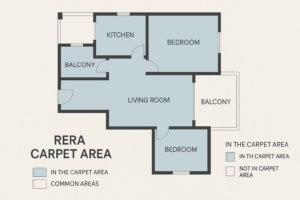
The Floor Space Index (FSI) is a terminology for urban planning that defines the relation between total built-up areas and land on which a building sits. In most countries, it is called Floor Area Ratio (FAR). Simply put, FSI describes how much construction is permitted on a given piece of land. An increase in FSI, allows putting more floors up on a plot of land.

The Floor Area Ratio (FAR) is in fact the ratio between the total floor area of the building and the area of land upon which the building is going to be constructed. This defines for the authorities how many square feet can be built up for that parcel of land.

Floor Space Index (FSI) vs FAR

FSI and FAR are often interchangeable terms and they also refer to the same thing. However, the areas concerning these terms will change as per the country. FSI is an informal one that is common in India and some other parts of Asia, whereas FAR is the term common in the West.

Both refer to the same meaning: the measurement of how much area can be floored at a given land piece. In some places, FSI might also consider the height of a building, the number of storeys, and other zoning regulations.

How is FSI Measured?

Calculating Floor Space Index (FSI) is simple; all it needs are – 

  • Total built-up area of the building (sum of all floors) 
  • Plot area: The total area of the land on which the building is standing. 

The formula for calculating FSI (or FAR) is:

FSI = total built-up area/plot area 

For Example

Assume you have a plot whose total area is 1000 square meters. If the total built-up area (including all floors) of the proposed building is 2,000 square metres,

then: FSI = 2000 / 1000 

FSI = 2 

That means that the total constructed area can be twice the size of the land. 

Note that this FSI varies from city to city, as local governments control them for the regulation of urban density and the capacity of infrastructure. Always consult the municipalities regarding construction before planning. 

Factors Affecting FSI/FAR

The Floor Space Index or FAR determines and is affected by many factors, all of which can influence land development. They include the following:

1. Zoning Regulations

Zoning laws are established by local authorities to regulate land use in various areas, including residential, commercial, and mixed-use zones. These regulations specify the allowable FAR for each zone. For example, a residential zone may have a limited FAR to protect the amenity of the area and minimise traffic congestion.

2. Building Height Restrictions

Building height restrictions in certain zones influence FAR. Height restrictions may limit how much of an FAR allows a large building, thereby restraining developers from full use of the same. So, in a high-rise zone, height is fine-tuned upwards, with corresponding increase on the FAR. 

3. Parking Requirements

Parking space regulations are often linked to the FAR. For instance, a certain amount of parking space is required per unit or square metres of building area. Such regulations can influence how much floor area is built. 

4. Public Infrastructure and Services

Availability of infrastructure like roads, drainage, water supply, and electricity can influence floor area ratio. Local authorities may impose lower FARs in congested areas, to prevent stressing the ever-burdened systems.

5. Environmental and Aesthetic Considerations

In some places, such as those declared heritage zones or sites with scenic appeal, the local government may set limits to the FAR so as to maintain the character and aesthetic disposition of the area. Environmental conservation and prevention of city-territory encroachment will thus be secured.

Why is FSI Important?

The FSI in urban sector planning and development assumes great importance and controls construction density in any area so that constructions are carried out in harmony with the environment.

So the city planners and authorities use FSI to strike a balance among residential, commercial, and recreational areas. FSI acts as a guard controlling the extent of floor space that could be built upon any land to ensure that no land will be overbuilt and that its developments are sustainable.

In areas of high density, usually city centres, high FSI is given since they help in providing tall buildings for greater land use. In contrast, low FSI is implemented in large areas and suburbs to assist in providing green land along with the area character so that the area will not be congested. 

What Does Floor Space Index Mean in Practice?

Practically, Floor Space Index or FAR impacts many players that come into the construction process: developers, architects, planners, and finally, the city’s general populace. 

For the Developers: FSI determines how much they can build on land. The higher the FAR, the taller or more expansive the buildings can be built, resulting in more saleable area and hopefully higher profit.

For Urban Planners: By controlling FAR planners can make sure urban development is grown according to capacity of the infrastructure and environmental concerns. What they want is a balanced sustainable urban landscape.

For home buyers: FAR is an important criterion that determines the type of building allowed in an area. Greater FARs usually correspond with taller buildings and denser neighbourhoods, while lower FARs may allow for low-rise homes with greater spacing.

For authorities: FAR is a very useful tool for mitigating urban growth, providing utilities, and creating conditions of amenity. FAR controls against over-development and helps maintain a tangible balance, generally between commercial, residential, and recreational areas.

Common Misconceptions About FAR and FSI

There are several misconceptions about FAR and FSI that can lead to confusion. Let’s clear some of them up:

  • FAR and FSI are the same: Although the FAR and FSI are similar, they are not always identical. In some countries, the FSI includes variables such as additional balconies and common areas, which the FAR does not.
  • Higher FAR or FSI is always better: Higher FAR or FSI means more floor area, but with such greater area comes density. Increased density may cause a lot of congestion with infrastructure.
  • FAR and FSI are fixed: FAR and FSI values may change with time with the updates or amendments of zoning laws and city plans. Checking for current regulations before initiating any project is of utmost importance.
  • FAR and FSI are applicable only to new constructions: FAR and FSI are applicable to any construction, including renovation and expansion works. 

Conclusion

Ultimately, the Floor Space Index (FSI) or Floor Area Ratio (FAR) is an urban planning tool that establishes conditions for construction on a particular plot of land. This instrument has a very important effect on the composite environment, as it sets many standards for sustainable development and zoning. Knowing how to calculate floor area ratio is of great importance to any developer and architect to design buildings that conform to legal frameworks and realize practical needs.

People that are intending to build their dream home, buy a parcel of land, or merely want to understand how city planning works will greatly benefit from the consideration of FSI and FAR. With an informed grasp of these ratios and the undercurrents that sway their definitions, one is able to easily navigate through complex issues arising in real estate and urban development.For those exploring Residential Plots in Gurgaon, understanding FSI and FAR is crucial in making informed decisions about property investment. Projects like Ganga Realty Nandaka align with these urban planning principles, ensuring sustainable and well-zoned developments for future homeowners and investors.

Frequently Asked Questions

In simple terms, dividing the total covered area of all floors by the area of
the site/plot gives the FSI or FAR. The ratio thus obtained stands for
permissible construction density, which depends on local urban planning
regulation.

FSI and FAR are terms commonly used interchangeably as discussing
the same thing. In both instances, they refer to the ratio of total built-up
area permitted on a specific plot of land to that area of the plot itself in
the field of planning.

Governance of FSI generally lies in the hands of the local urban planning
authority or municipal corporation. These bodies create and enforce
regulations regarding the limits of FSI to ensure that zoning and
development laws are adhered to in their jurisdictions.
Enquire Now

Recent Posts

From IT Hub to Dream Home: How Gurgaon’s Growth is Reshaping Residential Projects
30 June 2025|6 Minutes Read

From IT Hub to Dream Home: How Gurgaon’s Growth is Reshaping Residential Projects

Remember when Gurgaon was just a collection of agricultural fields on the outskirts of Delhi? Fast forward to today, and this millennium city has transformed into one of India's most sought-after residential destinations. What started as an IT boom has evolved into something much bigger – a complete reimagining of urban living that's attracting families, professionals, and investors from across the country. The story of Gurgaon isn't just about glass towers and corporate campuses anymore. It's about creating homes where people want to build their lives, raise their families, and invest in their futures. The Evolution Story: From Fields to Fortune Gurgaon's transformation didn't happen overnight. The city's journey began in the 1990s when major IT companies recognized its strategic location and business-friendly policies. But while everyone was focused on the commercial boom, something interesting was happening quietly in the background. As thousands of professionals flocked to work in Gurgaon's corporate sector, they needed places to live. What started as basic accommodation requirements has evolved into a sophisticated demand for luxury residences in Gurgaon that match international standards. The shift was gradual but decisive. Developers realized that people weren't just working in Gurgaon – they were choosing to make it their permanent home. This insight sparked a residential revolution that continues to reshape the city's skyline and character. Infrastructure: The Foundation of Residential Growth The backbone of any great residential destination is its infrastructure, and Gurgaon has invested heavily in getting this right. The Delhi Metro's extension to key areas like Golf Course Road and Sikandarpur has made daily commuting seamless for residents. Major highways like the Dwarka Expressway and NH-8 have reduced travel times significantly. The upcoming Jewar Airport will position Gurgaon as a gateway city, making it even more attractive for residential investment. Power infrastructure has improved dramatically. Most residential apartments in Gurgaon now enjoy 24/7 electricity supply, a far cry from the power cuts that once plagued the region. Water supply systems have been upgraded, and waste management has become more efficient. These improvements haven't just made life more comfortable – they've made Gurgaon a genuinely viable alternative to Delhi for families seeking a better quality of life. The New Face of Residential Living Today's residential projects in Gurugram are nothing like the basic housing complexes of the early 2000s. Developers have reimagined what modern living should look like, creating communities that blend luxury, convenience, and sustainability. Luxury Segment Leading the Way High-end developments now feature amenities that rival five-star hotels. Think infinity pools, championship golf courses, private theaters, and spa facilities. These aren't just apartments – they're lifestyle statements. Penthouses with private elevators, smart home automation, and panoramic city views have become standard offerings in premium projects. The luxury segment has grown by over 40% in the past three years, indicating strong demand from affluent buyers. Mid-Segment Innovation The mid-segment market has been equally dynamic. Developers are creating thoughtfully designed 2 and 3 BHK apartments that maximize space utilization while incorporating modern amenities like rooftop gardens, co-working spaces, and fitness centers. These projects typically offer excellent value propositions, with prices that remain accessible to middle-class families while providing facilities that were once exclusive to luxury developments. Affordable Housing with a Twist Even affordable housing has been redefined in Gurgaon. Government initiatives combined with private sector innovation have produced residential projects that offer genuine value without compromising on basic amenities or build quality. Investment Opportunities in a Growing Market For investors, Gurgaon's residential market presents compelling opportunities. Rental yields in prime locations average 3-4%, which is competitive by Indian standards. Capital appreciation has been steady, with well-located properties showing 8-12% annual growth over the past five years. The key is understanding micro-markets. Areas like Golf Course Road, DLF Phase series, and Sector 54-56 command premium rents due to their proximity to business districts and social infrastructure. Emerging sectors like 65-67 and 70-80 offer better entry prices with strong growth potential as infrastructure development continues. Any real estate project in Gurgaon located near upcoming metro stations or highway connections tends to perform exceptionally well. Quality of Life: Why Families Are Choosing Gurgaon The residential appeal of Gurgaon extends beyond just housing. The city has developed a comprehensive ecosystem that supports modern family life. Education and Healthcare Top-tier schools and universities have established campuses in Gurgaon. From international curricula to specialized programs, parents have abundant choices for their children's education. Healthcare infrastructure includes some of the country's best hospitals and medical facilities. Medanta, Fortis, and Max Healthcare have created a medical hub that serves not just Gurgaon but the entire NCR region. Entertainment and Leisure Shopping malls, multiplexes, restaurants, and recreational facilities have transformed Gurgaon into an entertainment destination. Ambience Mall, DLF Malls, and numerous local markets cater to every shopping and dining preference. Sports facilities, from professional golf courses to community sports centers, ensure residents have access to recreational activities that promote healthy lifestyles. Green Spaces and Sustainability Modern residential projects prioritize green building practices and sustainable living. Rainwater harvesting, solar power integration, and waste management systems are becoming standard features. The city has also invested in creating parks and green corridors that provide residents with access to nature despite urban density. Future Growth Prospects Gurgaon's residential story is far from complete. Several factors indicate continued growth and evolution in the coming years. The Smart City initiative is bringing technology integration to urban planning and infrastructure management. This will make the city more efficient and livable for residents. Corporate expansion continues, with new companies setting up operations and existing ones expanding their presence. This ensures steady demand for residential accommodation. Government policy support, including RERA implementation and infrastructure funding, provides a stable framework for continued development. Developers like Ganga Realty are responding to this growth by creating projects that anticipate future needs rather than just meeting current demand. This forward-thinking approach ensures that new developments remain relevant and valuable for years to come. The Road Ahead Gurgaon's transformation from an IT hub to a premier residential destination reflects broader changes in how Indians think about urban living. People want more than just a place to sleep – they want communities where they can thrive. The city's success lies in its ability to evolve continuously. As resident needs change, developers and planners adapt, creating solutions that keep Gurgaon at the forefront of modern urban living. For potential homebuyers and investors, Gurgaon represents an opportunity to be part of this ongoing transformation. Whether you're looking for a luxury residence that makes a statement, a practical family home with great amenities, or an investment property in a growing market, Gurgaon's residential sector offers options that can meet diverse needs and budgets. The story of Gurgaon is still being written, and residential development is one of its most exciting chapters. As the city continues to grow and evolve, those who choose to make it their home will be part of shaping its future while enjoying the benefits of its remarkable present. Also Read : Tax Benefits and Legal Considerations When You Buy Office Space in Gurgaon Frequently Asked Questions

Read More
Why Luxury Apartments in Gurgaon for Sale Are Trending in 2025
26 June 2025|6 Minutes Read

Why Luxury Apartments in Gurgaon for Sale Are Trending in 2025

Walk into any upscale café in Delhi NCR today, and you'll hear the same conversation at multiple tables. "Have you seen the new luxury apartments in Gurgaon for sale?" "My colleague just bought a premium apartment there, and the amenities are incredible!" "I'm seriously considering moving to Gurgaon now." This isn't just casual chatter – it's a reflection of a major shift happening in India's real estate landscape. Luxury apartments in Gurgaon have become the hottest commodity in 2025, with sales figures that would make other cities envious. But what's driving this unprecedented demand? Why are successful professionals, entrepreneurs, and families suddenly flocking to invest in Gurgaon's premium residential market? The answer lies in a perfect storm of factors that have transformed this millennium city into India's most desirable luxury living destination. The Infrastructure Revolution That Changed Everything Gurgaon's infrastructure transformation has been nothing short of spectacular. The city that once struggled with basic utilities now boasts world-class facilities that rival global metropolitan areas. The Dwarka Expressway has cut travel time to Delhi Airport to just 20 minutes from most luxury developments. The upcoming Jewar Airport will position Gurgaon as a true international gateway city. These connectivity improvements have made premium apartments in Gurgaon incredibly attractive to frequent travelers and business executives. Power infrastructure has reached 100% reliability in luxury sectors. Gone are the days of power cuts interrupting your work-from-home meetings or family dinners. Modern luxury apartments come with 24/7 power backup systems that ensure seamless living experiences. Water supply and waste management systems have been completely overhauled. Today's ultra luxury apartments in Gurgaon feature advanced water treatment plants and sustainable waste management systems that would impress environmentally conscious buyers. Corporate Giants Are Making Gurgaon Home The corporate landscape of Gurgaon continues to expand at an unprecedented pace. Global Fortune 500 companies are not just setting up offices – they're establishing their Indian headquarters here. This corporate growth has created a ripple effect in the luxury housing market. Senior executives and international professionals need homes that match their lifestyle expectations. They're looking for apartments that offer international-standard amenities, smart home technology, and exclusive community living. The presence of major multinational corporations has also attracted supporting businesses – premium restaurants, international schools, specialty hospitals, and luxury retail outlets. This ecosystem makes luxury living in Gurgaon not just comfortable but truly cosmopolitan. Lifestyle Amenities That Redefine Modern Living Today's luxury apartments in Gurgaon for sale come with amenities that were unimaginable just five years ago. We're talking about private movie theaters, rooftop infinity pools, championship golf courses within the complex, and spa facilities that rival five-star hotels. Smart home automation is now standard in premium developments. Residents can control lighting, temperature, security systems, and even book community facilities through smartphone apps. Voice-controlled home assistants and IoT integration have made daily living effortless. Concierge services have become a major differentiator. From restaurant reservations to travel bookings, from grocery deliveries to car servicing arrangements – luxury apartment residents enjoy hotel-like services in their own homes. Fitness and wellness facilities go beyond basic gyms. Think yoga studios with certified instructors, meditation gardens, swimming pools with professional trainers, and even dedicated spaces for alternative wellness practices like aromatherapy and reflexology. Investment Returns That Make Financial Sense The numbers don't lie – luxury apartments in Gurgaon have delivered exceptional returns for investors. Prime locations have shown 12-15% annual appreciation over the past three years, significantly outperforming traditional investment options. Rental yields for ultra luxury apartments in Gurgaon average 4-5%, which is impressive by Indian standards. The demand from corporate executives for premium rental accommodation ensures steady income streams for investors. Tax benefits under various sections make luxury apartment investments even more attractive. From home loan interest deductions to depreciation benefits for rental properties, the financial advantages are substantial. The resale market for luxury apartments has become incredibly robust. Properties from reputed real estate companies in Gurgaon find buyers quickly, often at premium prices due to their brand value and quality construction. Connectivity That Connects Lives The metro network expansion has revolutionized daily commuting for luxury apartment residents. Key business districts are now just 20-30 minutes away via metro, making car ownership optional rather than necessary. Highway connectivity to major cities has improved dramatically. Weekend trips to Jaipur, Agra, or hill stations have become convenient day trips rather than elaborate planning exercises. Internal road infrastructure within luxury complexes has been designed for comfort and safety. Wide roads, dedicated pedestrian paths, cycling tracks, and well-planned parking areas ensure residents never face traffic-related stress within their community. The upcoming high-speed rail corridors will further enhance Gurgaon's connectivity to other major cities, making it an ideal base for business professionals who need to travel frequently. Green Living in a Smart City Framework Environmental consciousness has become a priority for luxury apartment buyers, and Gurgaon's premium developments are leading the way in sustainable living. Solar power integration, rainwater harvesting, and waste recycling systems are standard features in new luxury projects. Green building certifications from international bodies have become selling points for premium apartments in Gurgaon. These certifications not only ensure environmental sustainability but also translate to lower utility costs for residents. Smart city initiatives have brought technology integration to urban planning. Traffic management systems, digital governance services, and IoT-based city services make daily life more efficient for residents. Air quality management through green corridors and pollution control measures has improved significantly. Luxury apartments now feature advanced air purification systems and are strategically located in low-pollution zones. The Ganga Realty Advantage in Luxury Development As one of the leading real estate companies in Gurgaon, Ganga Realty has been at the forefront of this luxury apartment revolution. Their projects consistently set new benchmarks for quality, innovation, and resident satisfaction. Ganga Realty's approach to luxury development goes beyond just premium amenities. They focus on creating communities where residents can build lasting relationships, pursue their interests, and enjoy a truly elevated lifestyle. Their commitment to timely delivery and transparent business practices has earned them the trust of discerning buyers who don't want to compromise on quality or reliability. This reputation has made their projects some of the most sought-after luxury apartments in Gurgaon for sale. The company's forward-thinking approach ensures that their developments remain relevant and valuable for years to come. They anticipate future trends and incorporate features that will appeal to the next generation of luxury apartment buyers. Future Prospects That Justify Today's Investment Gurgaon's growth story is far from complete. Government initiatives for smart city development, infrastructure investments, and policy support for real estate development indicate continued growth in the luxury segment. The city's master plan includes provisions for expanding green spaces, improving public transportation, and developing cultural and entertainment hubs. These planned improvements will further enhance the appeal of luxury apartments in the region. Demographic trends show increasing preference for urban living among India's affluent classes. As disposable incomes rise and lifestyle expectations evolve, the demand for ultra luxury apartments in Gurgaon is expected to grow exponentially. International interest in Indian real estate, particularly in luxury segments, is increasing. NRI investors and foreign nationals working in India see Gurgaon's luxury apartments as attractive investment opportunities. Also Read : Top Reasons Property Investment Beats Fixed Deposits, Gold & Stocks Frequently Asked Questions

Read More
--> -->